U.S.D.A. Makes Nation’s Largest Beef Recall

U.S.D.A. Makes Nation’s Largest Beef Recall

By THE ASSOCIATED PRESS
Published: February 17, 2008
Filed at 6:10 p.m. ET

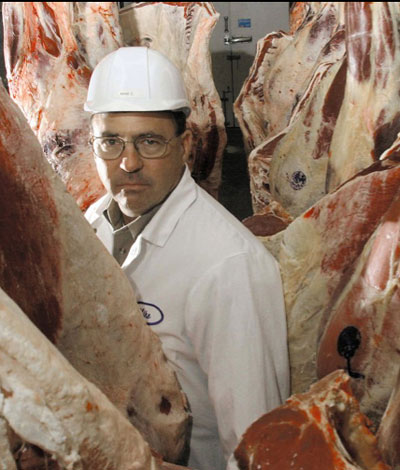
LOS ANGELES (AP) — The U.S. Department of Agriculture on Sunday ordered the recall of 143 million pounds of frozen beef from a California slaughterhouse, the subject of an animal-abuse investigation, that provided meat to school lunch programs.

Officials said it was the largest beef recall in the United States, surpassing a 1999 ban of 35 million pounds of ready-to-eat meats. No illnesses have been linked to the newly recalled meat, and officials said the health threat was likely small.

The recall will affect beef products dating to Feb. 1, 2006, that came from Chino-based Westland/Hallmark Meat Co., the federal agency said.

For complete story go to: http://ap.google.com/article/ALeqM5ib5V7z9A-ocCTOvoaRCq9Ohbl9SAD8USAHI80

Posted in General Advocacy | Leave a comment

Steroids – Pumping Up Beef, Athletes and Profits

Steroids – Pumping Up Beef, Athletes and Profits

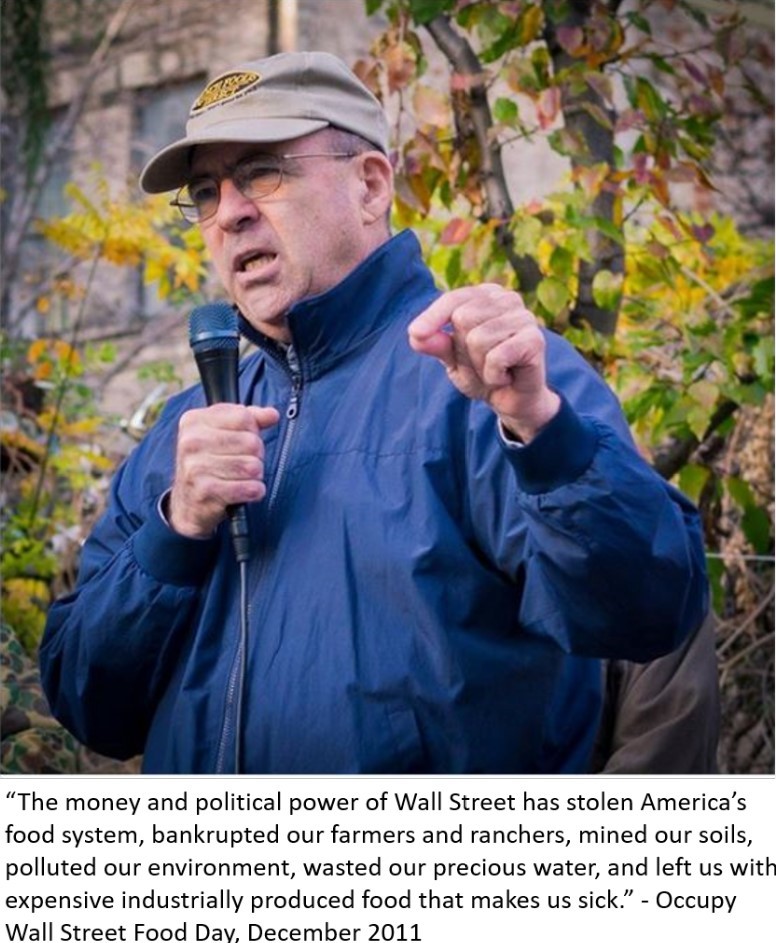
By Mike Callicrate

While we are rightly concerned about steroid use among our athletes, we serve our families beef produced with the same performance enhancing chemical compounds. Cattle are implanted with various growth promoting compounds from Ralgro (Zeranol), “which has been found to be biologically active in stimulating breast cancer cell growth,” to Revalor (Trenbolone-Acetate), one of the cattle implants that has gained popularity among bodybuilders.

With beef, as in sports, it’s about the pursuit of performance. Advocates of big-is-better corporate controlled agriculture are blinded to consumer health and animal welfare concerns. Synthetic growth stimulants produce bigger cattle more cheaply, which like most technology today especially benefits those few companies who either supply the technology or who are controlling the milk, meat, and grain markets. Steroid treated cattle will be approximately 150 pounds heavier at processing, and with the additional use of antibiotics, produce a market ready animal for as much as $150 less than non-implanted, antibiotic free animals.

Adding to the negatives on growth stimulants in cattle production is the fact that the meat from animals treated with these powerful weight gain compounds loses tenderness, digestibility and flavor. This problem doesn’t worry big packers, processors, and retailers. They simply “pre-digest” the meat with methods ranging from mechanical to chemical tenderization. Lost flavor is recovered with chemical flavoring agents. Margins are pumped up with moisture weight gain when water is used to deliver the chemicals into the muscle tissue. Wal-Mart’s Modified Atmospheric Packaging (MAP) typically adds 12% solution.

Cattle treated with the various growth promoting compounds exhibit many of the same characteristics as juiced up athletes including increased muscle size and behavioral changes.

Eliminating the use of these chemical compounds in U.S. beef production would improve beef’s eating quality and demand. Export markets would expand. The EU bans beef produced with synthetic hormones and steroids. Cattle would weigh less at harvest time resulting in fewer pounds of production and better prices for cattle producers. Most of all, mothers would feel better about the beef they feed their families.

Posted in General Advocacy | Leave a comment

Bad Food – Why are we surprised?

Bad Food – Why are we surprised?

By Mike Callicrate

We have the food system we asked for. There is a reason a burger at McDonald’s sells for a buck. There is a reason the food is of such poor quality in places where healthy nutrition is most important: our schools, our hospitals and our nursing home facilities.

What we support prospers, what we feed grows. If we support Wal-Mart, Wal-Mart will prosper. If we demand $1 burgers at McDonald’s and surplus food donated from the U.S. Department of Agriculture in our schools, the cheap, imported, worn-out-cow meat business will grow.

When we demand cheap food, should we be surprised when our food is cheap? Should we be surprised when our food isn’t healthy or shocked when we see animals being treated inhumanely or wonder why worn-out, close-to-death “downer” cows are being ground into our food supply?

We are getting exactly what we have asked for: fast and cheap stuff that hardly resembles food; garbage that, if tested, would often qualify as inedible and dangerous waste. This gut fill is so low in nutritional value, so high in harmful and unhealthy chemicals, and has been consumed by us for so long, that we are suffering from unprecedented levels of degenerative disease resulting in skyrocketing health care costs.

We have said goodbye and too bad to our local farmers and livestock producers, our local bakers, butchers, and corner food stores. And then we act shocked and surprised when someone discovers that when these vital businesses are moved out of our sight, out of our communities, out of our states, and out of our country, that bad things are happening. Weren’t you surprised at how many kids across the nation one cow slaughter plant was feeding? Didn’t you wonder last summer how one spinach processor in California could make people sick in 26 states?

In this highly touted new global economy where big food companies dominate, searching the globe for the cheapest raw food materials in the most desperate, impoverished and hopeless places on earth, should we be surprised when someone with a camera shows us what we should have already known or suspected? How do we expect any reputable company to compete in a world of cut-throat unfair competition?

At the request by big food companies to self-inspect, we have allowed USDA to be removed from meat inspection, trusting that these companies will keep our food clean and safe. Inspection personnel have been reduced to paper shufflers. They have been spread so thin that they are seldom at our meat processing facilities. Without this oversight, should we really expect companies pressured with demands for unreasonable profits or smaller companies being crushed by unfair competition, to not cut corners? Most companies don’t specifically tell their people to lie, cheat and steal, they just demand they make a profit — or else.

Monsanto rBGH-treated, worn-out dairy cows are not just in California. The last precious drop of milk is being squeezed out of tired cows everywhere. The abusive market power of the large milk processors is driving dairies to extremes to survive. Highly stressed processing workers, lacking a living wage and essential health care, are treated like the animals in our industrial food system. Of course, they are continually asked to do more for less; they are at their physical and mental limits, worrying about themselves and their families probably hundreds of miles away in Mexico or perhaps more distant. They are being severely abused and mistreated, and when used up, discarded like another piece of trash.

What is a farmer or a company to do when what they produce isn’t cheap enough for the Wall Street-based, greed-driven food companies? They certainly can’t sell locally. There are no marketing paths to the consumer left free of dangerous market predators.

We have learned to bargain shop, proud of finding the cheapest of everything; we drive the system of everyday low prices. We celebrate the $1 price tag. And now we are upset when we find out what our children are eating at school? Fortunately, we are starting to become worried about our children’s learning disabilities, their obesity, their high blood pressure, their heart disease, and their cancer, and whether we will have grandchildren.

For too long we have looked the other way at how cheaply things are produced. But, didn’t we really know or at least wonder how it was possible for stuff to be so cheap and corporate profits so high? If only we could feel, or somehow sense and experience, the human, animal and environmental suffering that goes into our demand for cheapness, maybe we would act differently.

What has resulted from our dependence on imported oil? As with foreign oil, we are becoming more and more dependent on foreign food. From farmers and ranchers to packers and processors, our domestic food system infrastructure is collapsing. We are now a net importer of food. Today, foreign companies are buying our biggest food processors at deeply discounted prices. We import approximately 20% of the beef we consume. Wouldn’t our country be better served by producing and processing our own food as locally as possible?

If we want a healthy, safe and dependable food system in this country, we better wake up now. We have to demand it — and also support it. Let’s bring our farmers, butchers, and bakers back to our communities where we can enjoy food that tastes good and is nutritionally satisfying. We then have the option to stop by and see for ourselves how they and the animals are doing.

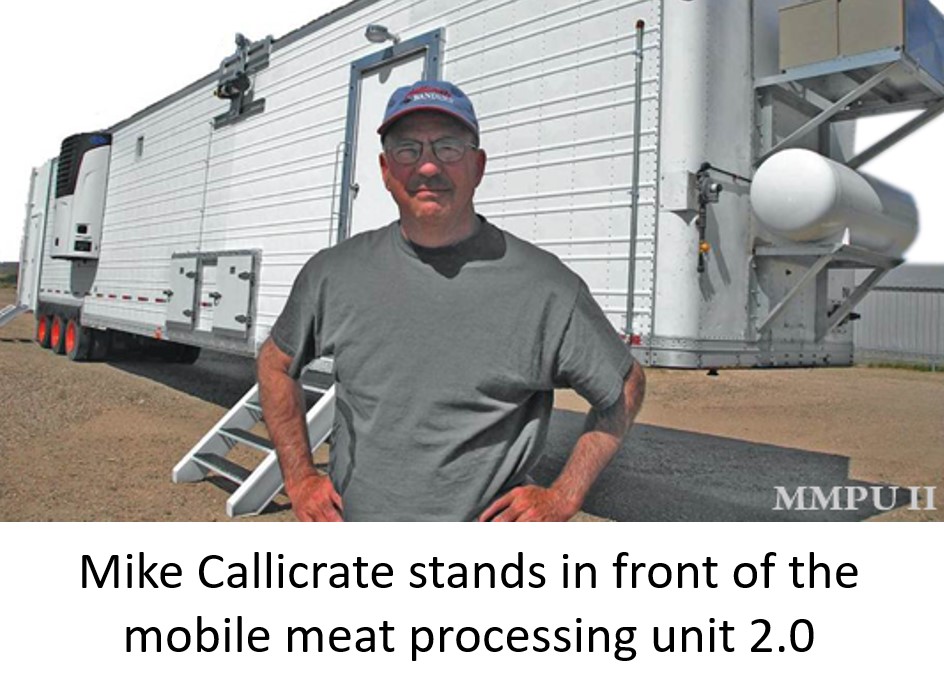
Mike Callicrate is an independent cattle producer, business entrepreneur and political activist, particularly outspoken in addressing the rural and social impacts of current economic trends.

Posted in General Advocacy | Leave a comment

Richard Oswald brings a parable of community, leadership, and property

Richard Oswald brings a parable of community, leadership, and property.

By Richard Oswald

Once upon a time, a long time ago in a wild and unsettled land, a sprout grew where nothing like it had ever grown before. People took notice of the tiny shoot. It had great beauty, and they saw that it held a wonderful promise. It became so important to them that when the tiny tree began to wither they watered it with their sweat and their blood, and when cruel storm winds swirled round it they anchored it with the sacrifice of their own bodies.

The tree grew and became stronger. More people came to behold its splendor and strength. It shimmered in the light of day, and even on the darkest nights it cast a radiance reflected not just from heavenly bodies, but from the body of an enlightened and faithful people. Growing ever taller, it sheltered the people from cataclysm and tragedy. It provided sustenance and protection, and the people loved it. When others tried to take it for the wealth it offered, once again the people watered the tree with their own blood, mixed with the blood of their enemies. It became known to all as the Freedom Tree.

The Tree bore many types of fruit, and was covered with leaves of silver and gold. Then one day the people chose a leader who told them that the Tree was in danger, and that they must harvest the fruit of the Tree to keep it safe. So the leader picked the fruit called “Opportunity” ….

For complete article, go to: http://www.dailyyonder.com/letter-langdon-tree-life

Posted in General Advocacy | Leave a comment

There Will Be Blood

There Will Be Blood

By Mike Callicrate

“I’m finished,” said Daniel Plainview, as he sat flat on the floor, drunk, blood oozing from the head of the young man whose skull he had just crushed.

Plainview loved money. He loved power. He had plenty of both. As a man who admittedly hated people, he would do anything — anything — to get more money and more power.

In 1927, Upton Sinclair published the novel, Oil! At the time, Sinclair was already well known for writing what has become one of our country’s great literary works, The Jungle, which exposed the abusive and sickening meatpacking monopoly of the day. Now Eric Schlosser has brought Sinclair’s story of oil industry greed back to life in a cinematic version called “There Will Be Blood.”

While viewing this prospect for “Best Picture of the Year,” you may find yourself thinking about where we are today in a society driven by big oil, big meatpacking, big retail, big banking, etc. It’s been nearly one hundred years since Sinclair exposed the meatpacking jungle, the oil cartel, and the greed and ruthlessness of unregulated big business. And it has been nearly one hundred years since our government broke up the monopolistic business trusts.

After viewing the film and experiencing its troubling and vivid display of the worst tendencies of human nature, you might feel — like I do — that we are fully back to the days when profit and power were valued at all costs over people. How far will today’s big business go to increase its own wealth and how far will an independent businessman be pushed in order to compete in a no-holds-barred arena with such dominating and perverse power?

I can say from my perspective in the cattle and meat business that we are certainly back to The Jungle in the meat processing industry. As we fill up our cars and pay our winter heating bills, surely we can’t help noticing the parallels to the old monopoly of Standard Oil.

Today, an unhealthy obsession with money and power has bloodied farmers, ranchers and working people. Like Daniel Plainview, the darkly demented protagonist of Schlosser’s film, our ruthless big business/government partnership will not rest until it finishes wrecking our country.

Mike Callicrate
Colorado Springs, CO
Posted in General Advocacy | Leave a comment