
Is our Global Food System Failing?
Oct 2026
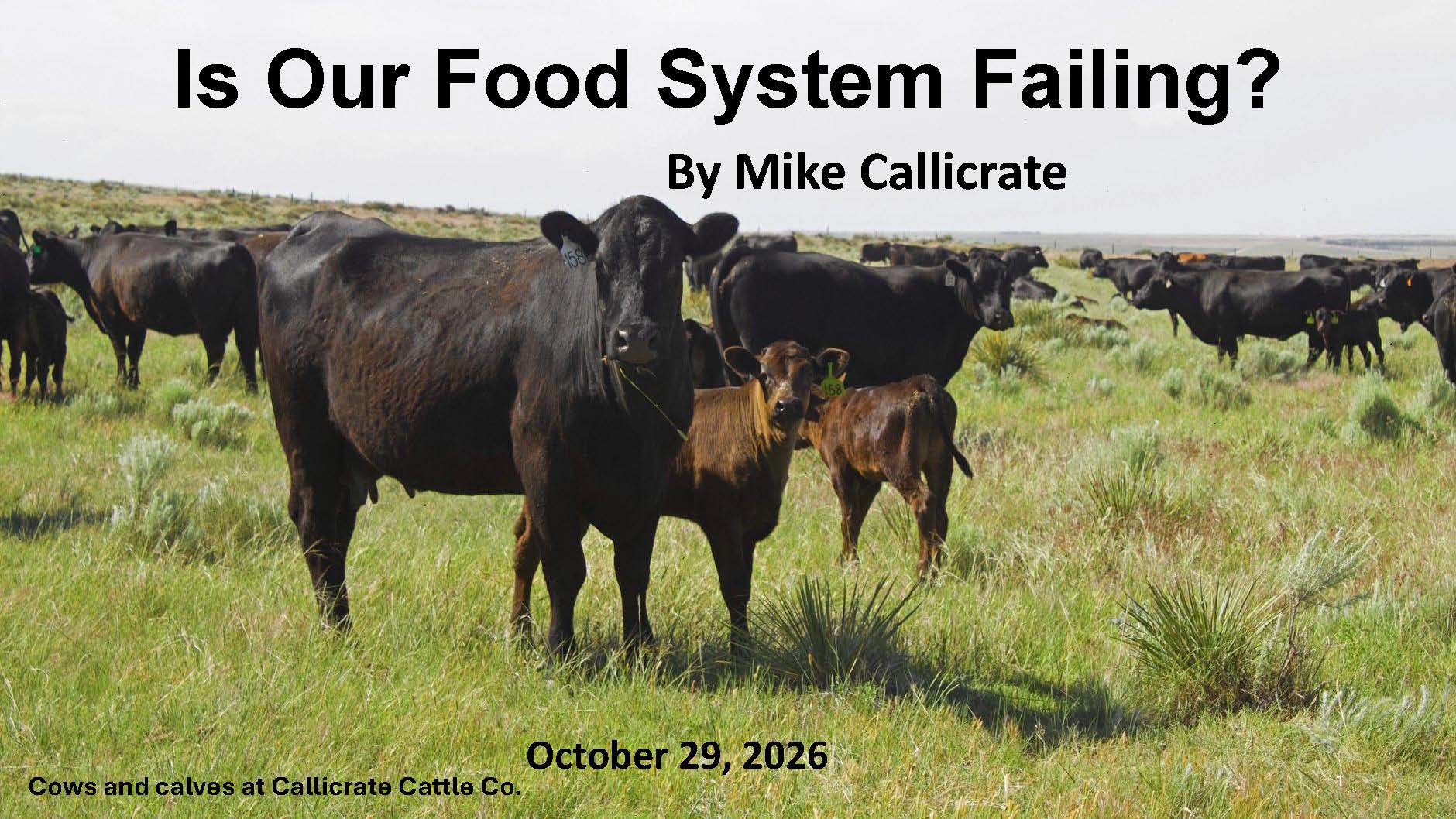
The U.S. is now a net food importer with deteriorating food infrastructure. Why did it happen and what can be done?
Related: Globalization vs. Community Fall 2010
Related: Globalization vs. Community Fall 2010
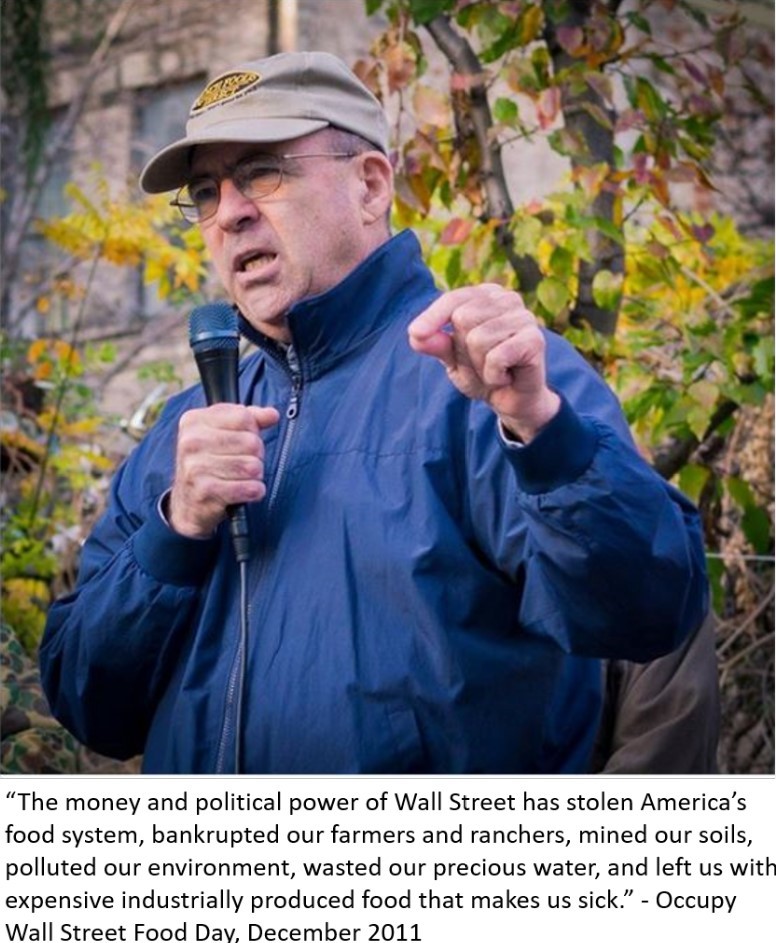 “The money and political power of Wall Street has stolen America’s food system, bankrupted our farmers and ranchers, mined our soils, polluted our environment, wasted our precious water, and left us with expensive industrially produced food that makes us sick.” – Occupy Wall Street Food Day, December 2011
How can an industrial livestock operation transition from feeding corporations to feeding people?
 Industrial Agriculture and Urban Sprawl – A model of growth that’s made to fail.

Ranching Reboot Episode 4, Mike Callicrate “It’s time for a third revolution against monopolies”
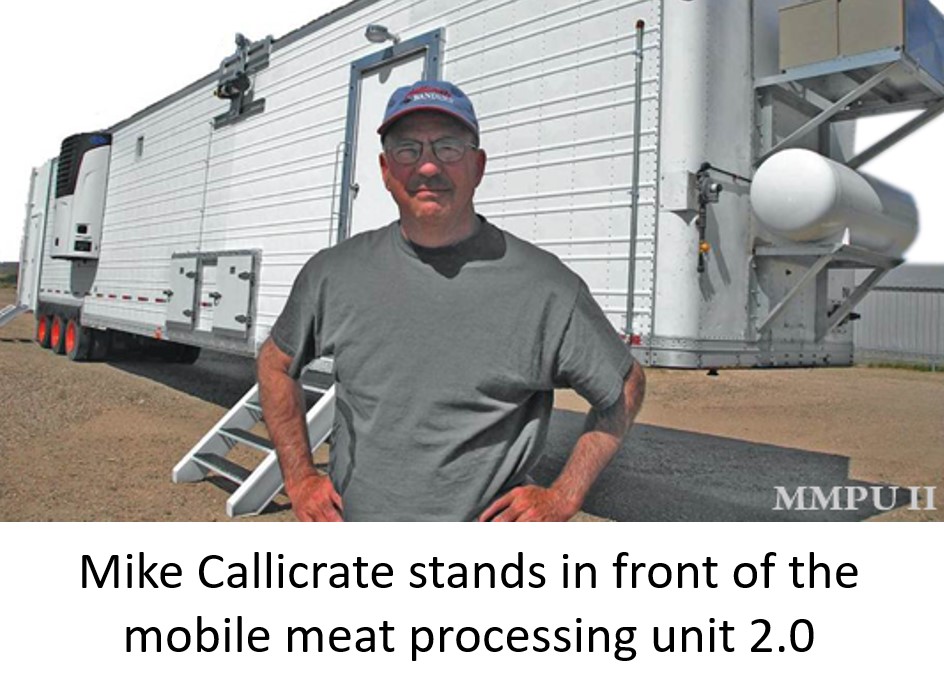
Above: Ranching Reboot – Episode 4 – Mike Callicrate, owner of Ranch Foods Direct, sat down with us to talk about all manner of things from cattle markets, to public food spaces, the Bander, his feedlot and the pathway he built to market.
He shares valuable lessons learned from fighting against the commodity production system and how he’s built his own pathway to the consumer.
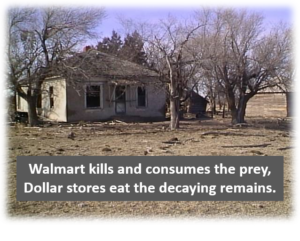
We talk about small community slaughter plants and public meat spaces and what that could look like going in to the future. We discuss environmental challenges, the food police and what it means when a Dollar General comes to town.
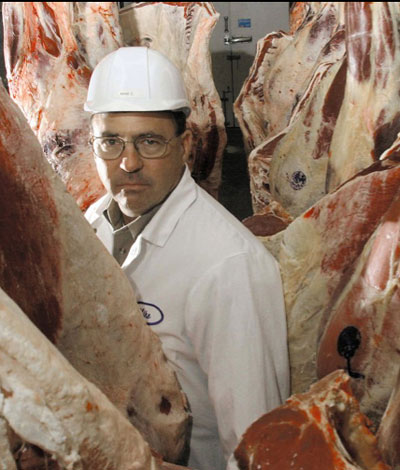


Regarding the futures market and the meatpackers ability to manipulate price, see the following court record. For risk management to work as intended, the meatpacker should be a buyer of the futures market, taking long positions, while the cattle feeder sells, or takes a short position.
The Cook case was based on the spring market crash of 1994. The price of live cattle dropped $17 in six weeks, bankrupting thousands of cattle feeders.
The following transcript shows IBP was selling the live cattle futures, putting downward pressure of the price, which benefited IBP.
Deny, blame, deflect, and lie – Concerning attorney Robert M. Cook:
IBP vs Robert M. Cook
Source: Brief of Defendant-Appellee, Robert M. Cook, IBP Inc., Plaintiff
vs Robert M. Cook, Defendant. Case No. 4:94cv3246 or NO. 95-364NEL, in
the United States Court of Appeals for the Eight Circuit:
“At times, the company over purchases its entire needs, with forward
contracts. (See Supp. App.Ex. 197) Exhibit 197 shows that during
April-June of 1994, a time critical to this case, IBP contracted for as
much as 122%, and as little as 53%, of its entire projected kill with
cattle contracted for forward delivery. IBP’s corporate policies
required it to sell these cattle on the commodities market before they
were contracted for purchase from a cattle feeder. IBP killed 180,000
head of cattle per week in 1994.”
IBP vs Robert M. Cook Lawsuit Anecdote
By Dave Domina, Attorney for Robert M. Cook
When closing argument was presented against IBP in the Cook case (USDC Neb. 1995) I argued to the jury that IBP had become the largest owner of cattle feedyards in America through the artifice of contracting. Forward contracts had permitted IBP to buy up, control, and therefore effectively own, an overwhelming portion of America’s cattle production capacities “without buying one acre of land, pouring one cubic yard of concrete, installing one linear foot of feed lot, digging one post hole, stringing one wire, or investing one dime.”
The jury reacted to the argument with widened eyes, then, as I could see the thought sink in, their amazement turned to disgust.
They rewarded my client with their verdict.