
What’s the Real Cost of Country of Origin Labeling for Beef?
October 9, 2026
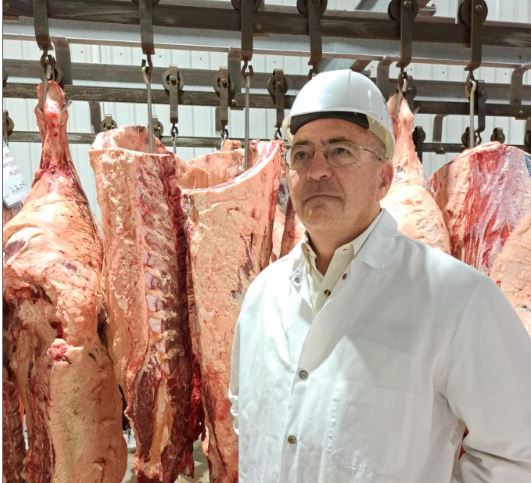
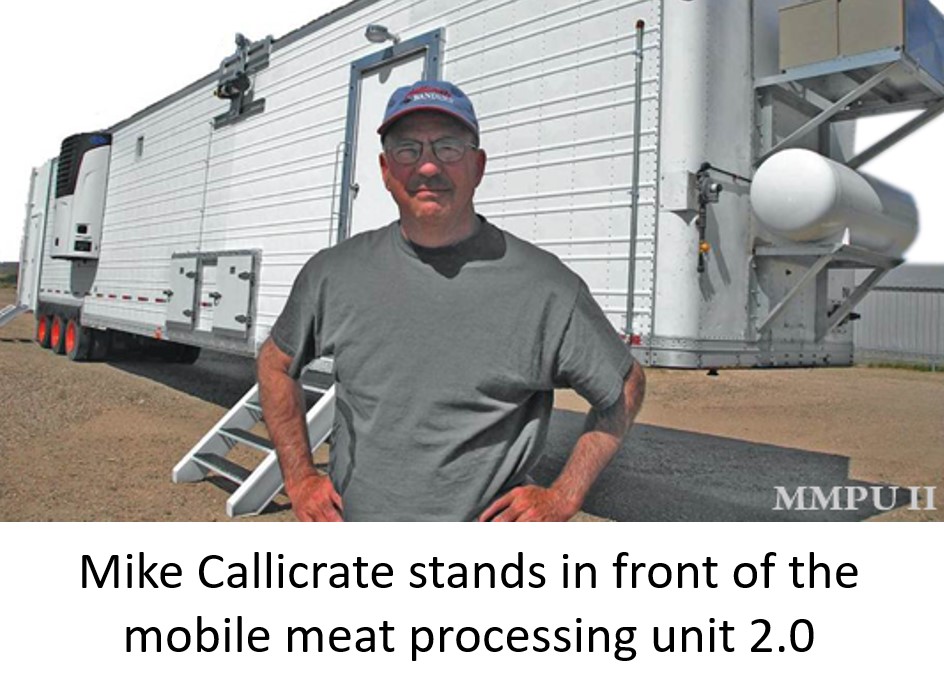
Small local/regional meatpackers have no expense associated with mandatory country of origin labeling because they don’t blend foreign beef with more expensive domestic product..
If mandatory country of origin is re-implemented on beef, the meat industry claims it would cost $721 million the first year and $4.8 billion over the next five years. This estimate includes operational burdens such as tracking origins, segregating livestock, and managing multinational sourcing for ground beef lines.
As a cattle producer for more than 50 years and a direct-to-market retailer for 26 years, I don’t doubt the estimates are true, but not for the reasons they state.
Since 2015, when the initial COOL law was repealed, grocery store customers haven’t been informed of where their beef is coming from. In fact, they have been deliberately misinformed. USDA has been derelict in its duty to ensure products are properly labeled and not deceptive. Labeling imported beef as “Product of the USA,” or applying the USDA Mark of Inspection to imported beef not inspected by USDA, is clearly misleading and fraudulent.
The big meatpackers have the ability to segregate cattle. They’ve been processing the Certified Angus Beef brand since 1978. They now offer dozens of label claims, including USDA organic, grass-fed, age verified, non-hormone, drug-free, and other methods of production.
“They’re protecting massive profits made on laundering imported beef.”
Why is the industry fighting so hard to keep consumers in the dark? It’s not that they’re unable to track product origin, it’s that they have a huge financial incentive not to. They’re protecting massive profits made on laundering imported beef. In fact, what COOL would cost them is way understated considering imported beef often enters the U.S. market at nearly half the cost of domestic production, while selling at record setting retail prices.
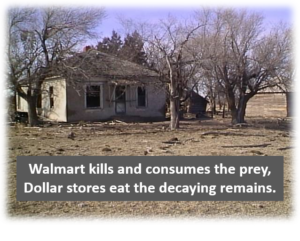
Back in the 1980s, University of Missouri Rural Sociologist, Dr. William Heffernan, taught how multinational corporations search the world for the hungriest people who will work the cheapest, and mine the most resource-rich places to sell the production into the world’s highest consuming markets. For at least five decades, multinational corporations have been unrestrained, and in fact supported by the U.S. government in extracting ours and other nations wealth, leaving poverty, hunger, and chaos behind. Domestically, these same multinational corporations, absent competition, have manipulated markets to their advantage, while preying upon smaller competitors for near monopoly control of our food system.
“Imports have long been used to break U.S. cattle markets, which also sets the base price for cattle around the world.”
These same multinational companies now source cattle and beef from more than twenty exporting countries, including Brazil, Australia, Argentina, Canada, and Mexico. Imports have long been used to break U.S. cattle markets, which also sets the base price for cattle around the world. Following President Trump’s announcement removing tariffs on 660,000 million pounds of Brazilian and Argentinian beef trimmings, the domestic cattle market crashed by hundreds of dollars per head and billions in value. While directly benefitting the world’s largest meatpacker, JBS, the decision has failed to help cash-strapped consumers. The benefits flowed directly into the pockets of the biggest meat exporters, importers, cookers, and big retail firms like Walmart and Kroger.
In today’s global marketplace, commodities are undervalued, workers are exploited, and the environment is degraded. Many consumers find imported beef distasteful. What if they knew ground beef at the big box retailers contains meat from twenty or more countries? In 1998, long before our cowherd reached a 75-year low and beef imports doubled, a university study found one quarter-pound patty contained DNA from 1082 animals.
The beef industry knows when given a choice consumers have many reasons to choose beef born, raised, and processed in the United States, costing the meat industry billions.
Had the big food companies supported domestic beef production we wouldn’t be seeing the lowest cow numbers in seventy-five years. We wouldn’t have lost over half our ranchers. We wouldn’t be closing some of our largest beef slaughter plants due to lack of supply. Had we supported our farmers and ranchers instead of price shopping the world, we wouldn’t be a net food importer, putting our food and national security at risk.
The real question we should be asking, as our U.S. cattle and beef industries collapse, is what not having mandatory Country of Origin labeling is costing us.



Great synopsis
Mike you are.a blessing all your hard work and dedication. Fortunate meeting you and the wonderful people at RCAFZUSA. Its more than meet Its maintenance of culture. With no culture of food we have no America and no country