The essential next step in building healthy, resilient, community-scaled food systems
Growers, craftsmen, skilled workers, and food makers deserve a fair share of the consumer food dollar. The people who do the real work of growing and making good food are a cost to be reduced in today’s top-down controlled, extractive, and exploitive food system. We need a better economic model, one that delivers real and healthy food while prioritizing the well-being of farmers, ranchers, workers, and rural communities – shifting income from the takers back to the makers.
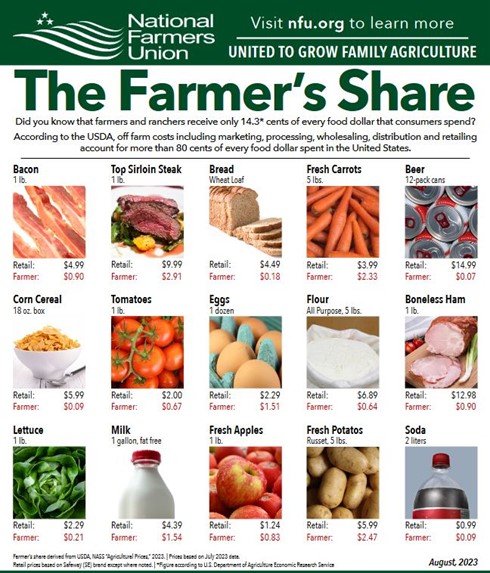
Consumers have never paid more for food, and never before has so little of the food dollar gone to those who do the work – the people who grow, process, prepare and serve our food.
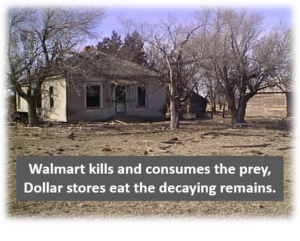
Local/regional food systems, main streets, rural communities, and independently owned and operated businesses have been essentially wiped out with the growth of below-cost predatory supply lines feeding distribution through franchises, chains, big-box and dollar stores. Americans are being left with fewer food choices, with less and less access to healthy food, while the wealth-creating base, rural America, is being gutted by resource mining global agribusiness and food corporations.
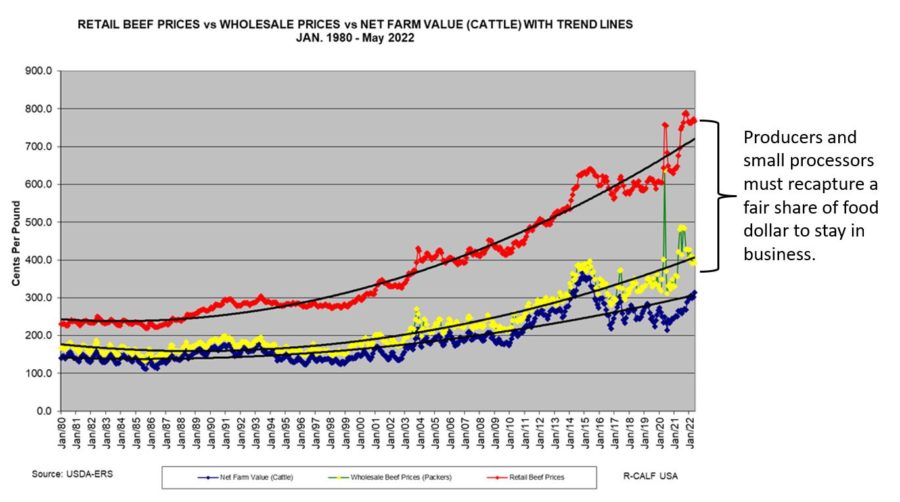
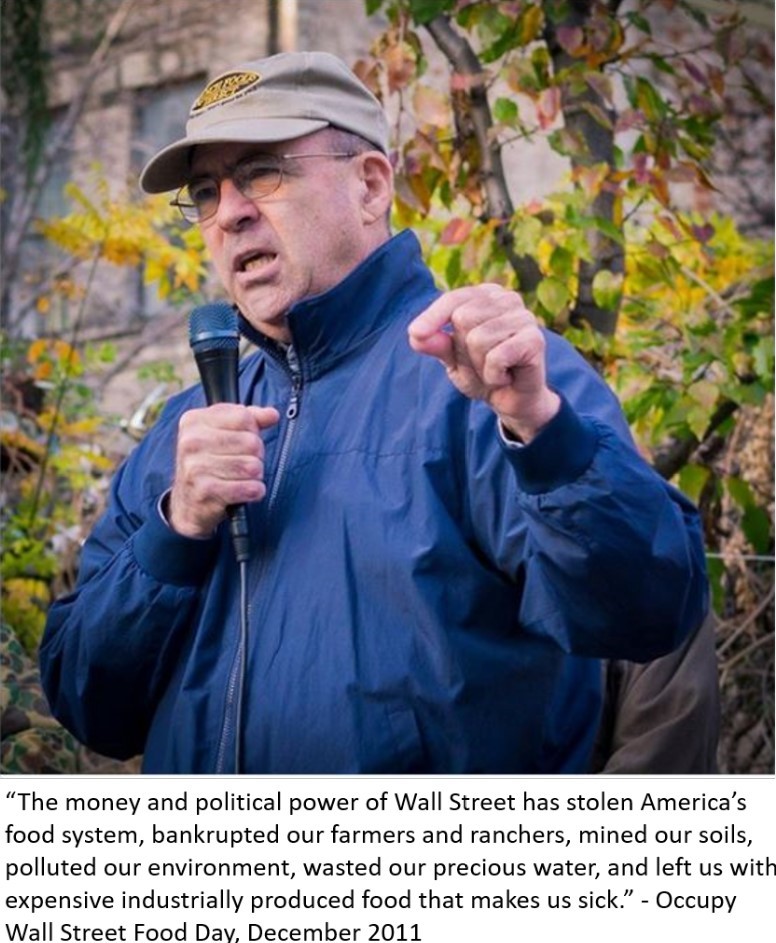
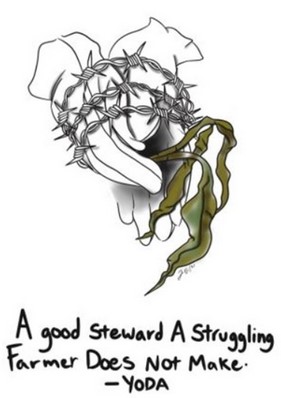
Independent farmers and ranchers are the course of least resistance for extracting dollars by those at the top of the highly financialized and demanding business sector, thus receiving a bankrupting record low fourteen-cent share of the consumer food dollar. Captive lawmakers and regulators serve the interests of big corporations over farmers and ranchers. Instead of ensuring markets are competitive, allowing producers to make a living from the market, family farms continue to go out of business with costly subsidies filling the income gap, benefiting mostly the biggest most industrial farms.
Let farmers and ranchers focus on farming and ranching.
While providing around 85% of the capital investment required to feed us, doing most of the work, and taking nearly all the risk, farmers and ranchers shouldn’t be expected to be in the meat and food business to survive. There’s enough to do, especially if we expect better stewardship and animal husbandry from the few remaining people on the land.
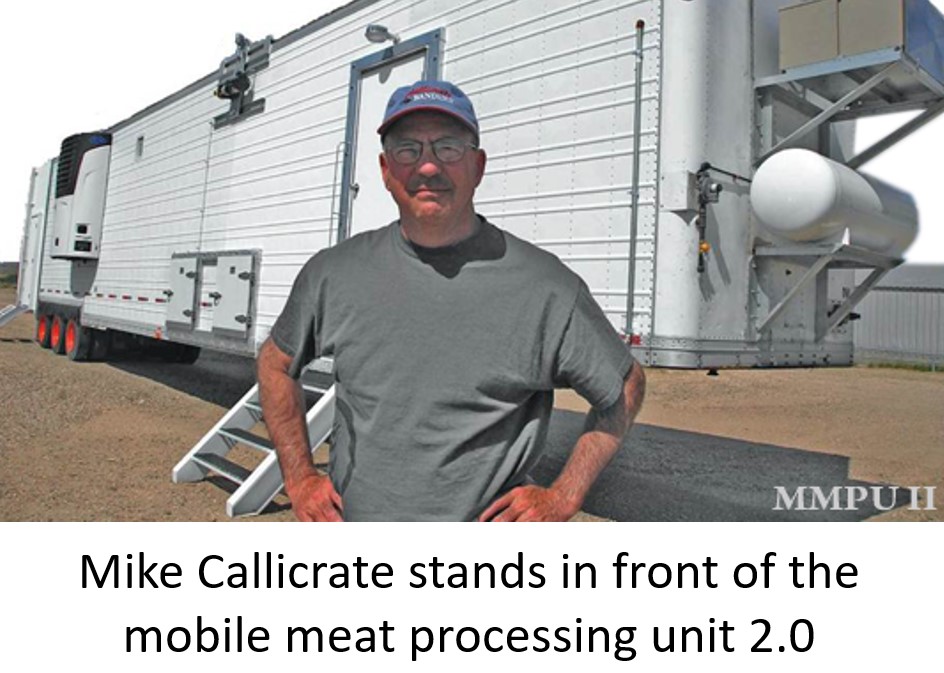
Over twenty years ago, livestock producers like White Oak Pastures, Gunthorp Farms, and Callicrate Cattle Co., unwilling to adopt industrial methods of production and witnessing the growing problem of fair market access, built on-farm slaughter to bypass the predatory meatpacker cartel that was forcing thousands of farmers, farmer-feeders, and ranchers out of business.
Today, big food is stealing the niches of the most ideal producers like White Oak, Gunthorp, and Callicrate, with no real change in actual practices, just simple misleading and deceptive label changes. With the wholesale market lost to fake corporate brands and the retail market many times more difficult to access, another option to connect more directly with discriminating consumers is needed. Maker-owned marketplaces could be the answer for producers adopting regenerative practices and makers trying to retain more value from the unique specialty products demanded by their customers. With the right policies, programs, and incentives, the model could be easily replicable, keeping the wealth of agriculture where it belongs – in the communities of growers, makers, and workers.
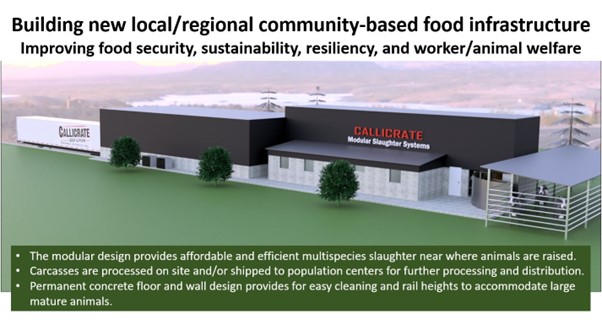
The ultimate in efficiency and humane treatment is to slaughter animals where they’re raised and transport only the edible carcass to the population center. Forming beneficial partnerships between producers and makers would give eaters the good and healthy food they’re looking for while allowing farmers to farm, ranchers to ranch, and butchers to cut meat, all doing what they love and are good at.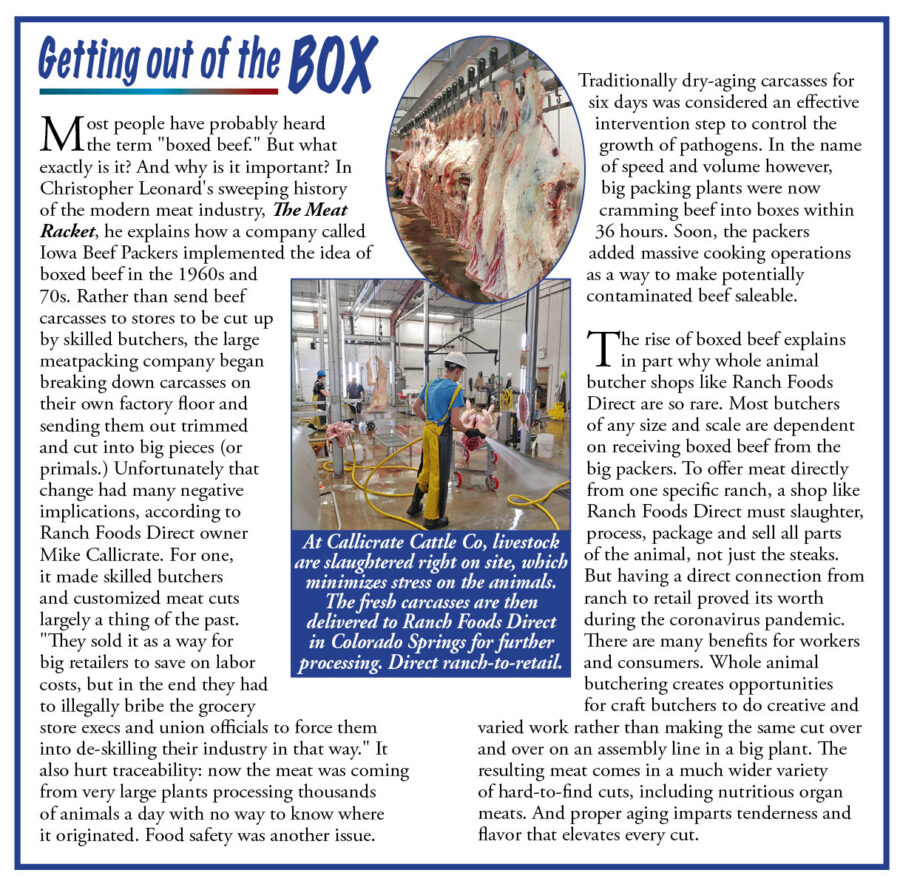
Farmers, ranchers, and independent businesses are similarly situated.
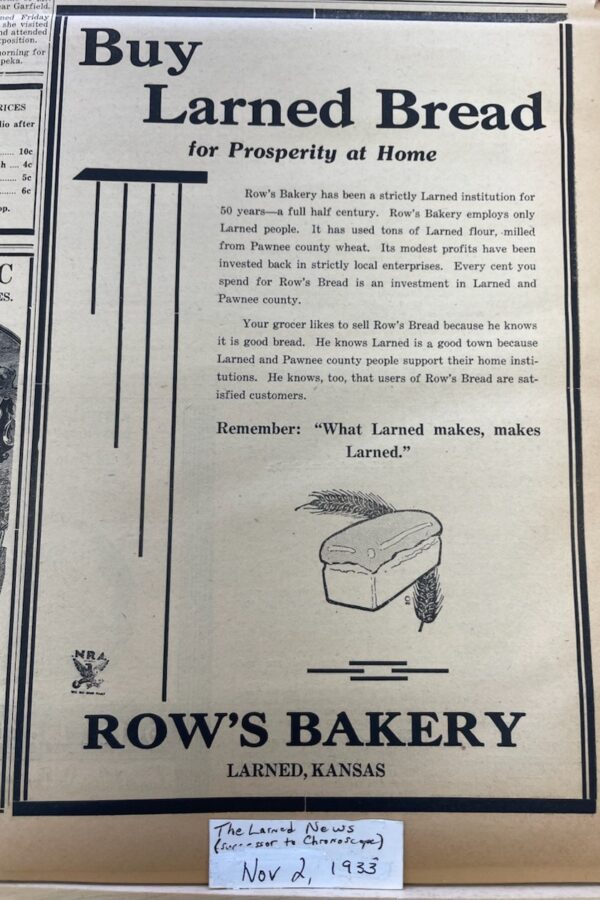
 Independent businesses, the makers and craftsmen that turn farm and ranch production into food — such as butchers, bakers, creameries, cheese makers, breweries, distilleries, coffee roasters, etc. — are also being driven out of business as powerful middlemen search the globe for the cheapest of everything to resell in the most profitable markets. Additionally, family-owned businesses, unable to own their real estate, are often caught in abusive lease arrangements and are denied the opportunity for wealth building and financial security.
A place where community happens
 “But the food itself – now almost all supplied by global, inter-connected industries – receives no respect. Purchasing food at a supermarket results in little joy. The shelves at the superstores are overflowing. The presentation of what is being offered is attractive, professionally designed to be so, but I, at least find little joy in the action of purchasing food in a supermarket.
“Contrast that to the experience at a farmers’ market or an open-air market in any part of the world. Or consider the excursion to buy food from the neighborhood shops in Paris or one of the ethnic neighborhoods in New York. Bread from the bakery, meat from the butcher, vegetables and fruit from the greengrocer, and cheese from the deli. This shopping mission may be a daily chore, but it is a human and humane chore – a transaction between people who know each other and respect what is being sold and purchased.”
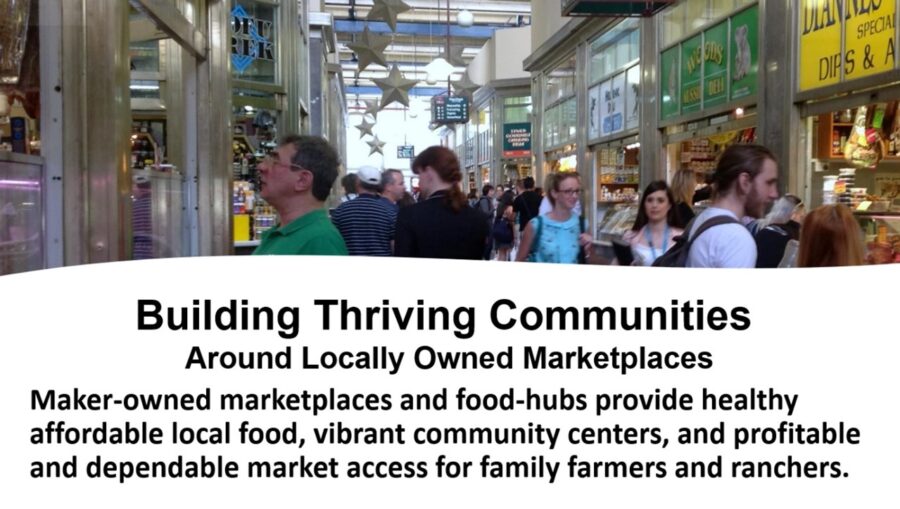 What if collectives of independent food-related makers, dedicated to supporting local/regional food systems, could co-locate in population centers as owners of the real estate?
Located in safe, trusted, and transparent consumer-friendly marketplaces, makers could profitably practice their craftsmanship, providing the highest quality, healthiest products that are accessible and affordable for eaters. Sales would multiply with the synergy of similarly-minded businesses while supporting and growing local agriculture. Merchant/maker owners could truly differentiate their products, selling both wholesale and retail directly to the public, at a safe distance from the abusive big food cartel, perhaps in areas of cities needing repurposing and new life.
Businesses would earn equity in their real estate investment, replacing the current extractive rent-collecting model with opportunities for building generational wealth and knowledge.
What we support prospers, what we feed grows
Americans have long valued home ownership as a way of building generational wealth and stability. Concentrated wealth, from Wall Street to private equity, has turned the American home ownership dream into a landlord/tenant nightmare. The same is true for independent businesses. After years of work and investment, independent businesses are often left with nothing at the end or termination of a lease. Business owners, their families, workers, and communities all lose out to these aggressive rent collectors.
New pathways from farm to table must be designed for the health of people, animals, and the planet. Accessible and affordable financing for building sustainable and resilient food processing and distribution infrastructure should be a priority. Decades of destructive and polluting agricultural practices and the mining of our precious natural resources have left rural places more and more unlivable. With the growing interest in healthier, more sustainable and regenerative forms of agriculture, there seems to be little concern or attention paid to ways to financially sustain it for the long haul.
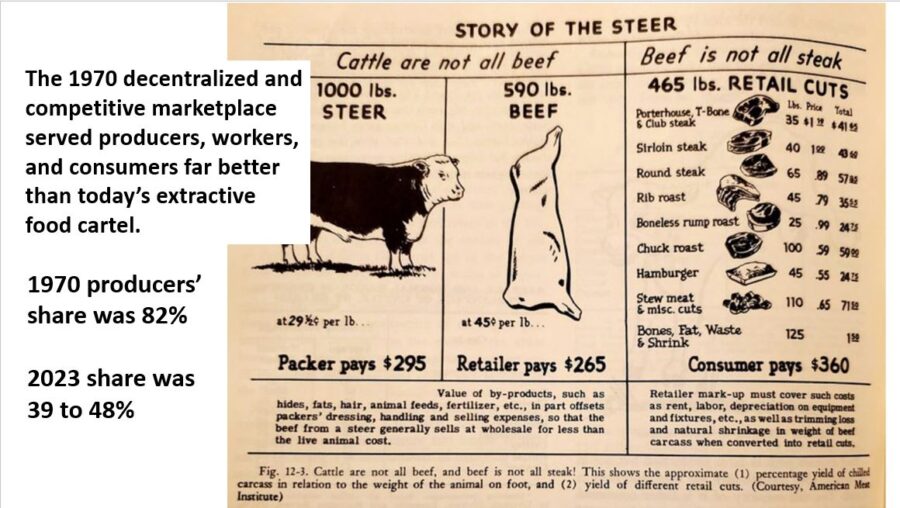
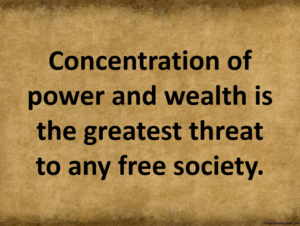
John Ikerd, Professor Emeritus of Agricultural and Applied Economics, rightly informs us that regenerative agriculture, which focuses on giving back and healing the land, cannot be sustained without a livable farm income. We need fair, open, and competitive markets like we had fifty years ago. Competition isn’t possible without competitors in today’s nearly monopolized food system. Food represents the most critical public need, like roads, electric grids, and clean water systems. Critical needs, especially food, should never be controlled by the few at the expense of the many.
Although the pandemic exposed the fragility and exploitive nature of the current system, little is actually being done to build successful alternatives. So far, the power of big food and developer interests over local, state, and national governments have blocked progress in achieving real food security.
America is now a net food importing nation, unable to feed itself. We are literally at the mercy of a handful of foreign-owned and domestic multinational corporations for our daily bread. For the enormous task of building the new infrastructure necessary for feeding all of us (including the poor), Dr. Ikerd recommends we adopt a public investment model – Community Food Utilities.
The maker-owned community marketplace holds the possibility of bringing life back to urban areas, becoming a center for food and culture, better feeding people, makers, and producers, and doing so without the permission of Wall Street, foreign corporations, private equity, or captured politicians.
Impacts of the Maker-Owned Market:
- Food security
- Year-round market for family farm and ranch agriculture
- Conserve and protect valuable resources – Soil, water, etc.
- Synergy of co-locating businesses of similar values
- Build generational knowledge, wealth, and economic security
- Mortgage vs. rent – Protection against one-sided lease arrangements and aggressive rent collectors
- Build rural and urban economies
- Transparency
- Benefits to human health
- Improved animal welfare – Animal husbandry vs. animal science
- Environmental benefits – Stewardship vs. Industrial extraction and pollution
- Reduced food waste
- Community gathering place – Provide social interaction, human connection around food, art, music, events
- Year-round home for farmer’ market and small food-related vendor
- Education – Incubator for new businesses
- Regional food-hub connector
Notes:
See: https://nobull.mikecallicrate.com/2024/01/26/harvesting-change-making-a-local-meat-market/
https://nobull.mikecallicrate.com/2022/09/10/better-meat-requires-building-connections-with-new-food-partners/
Alan Lewis – https://www.youtube.com/watch?v=PsWNdOY7lYA&t=16s
William Heffernan on the need for alternative food systems: https://www.youtube.com/shorts/2UQsw_qdy8s
Real Organic agrees we need an alternative: https://www.youtube.com/watch?v=eisCE4SPFsQ&t=15s
Book: Lost Supper https://news.mikecallicrate.com/opinion-to-find-the-future-of-food-we-need-to-look-to-the-past/
Food Inc. 2 – It takes more than our forks to change the food system: https://www.youtube.com/watch?v=ToWTxhYkrKk
Poisoned – The shift to boxed beef made meat less safe, eliminating the natural pathogen control of dry aging: https://www.netflix.com/tudum/articles/poisoned-the-dirty-truth-about-your-food-release-date-news
Barons – We must build a pathway to eaters separate and safe from market predators: https://www.austinfrerick.com/
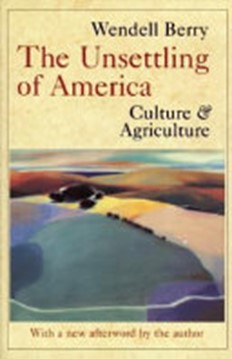 Wendell Berry Sierra Club Books, 1996
Since its publication by Sierra Club Books in 1977, The Unsettling of America has been recognized as a
classic of American letters. In it, Wendell Berry argues that good farming is a cultural development and spiritual discipline. Today’s agribusiness, however, takes farming out of its cultural context and away from families. As a result, we as a nation are more estranged from the land–from the intimate knowledge, love, and care of it.
Sadly, as Berry notes in his Afterword to this third edition, his arguments and observations are more relevant than ever. We continue to suffer loss of community, the devaluation of human work, and the destruction of nature under an economic system dedicated to the mechanistic pursuit of products and profits. Although “this book has not had the happy fate of being proved wrong,” Berry writes, there are good people working “to make something comely and enduring of our life on this earth.” Wendell Berry is one of those people, writing and working, as ever, with passion, eloquence, and conviction.